

Home Addition Services in Lakeland
A home addition expands the livable space of an existing house by building new square footage onto the structure. Many homeowners in Lakeland add bedrooms, expand living areas, or build guest suites so their home can better fit their family’s needs without having to move.

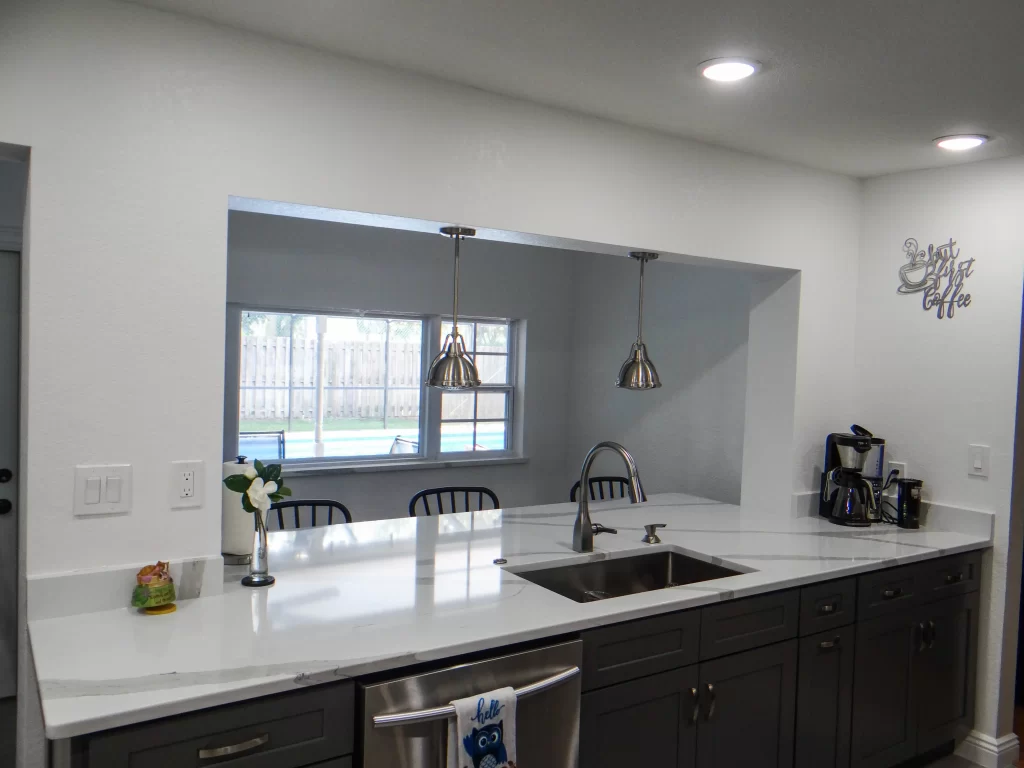


Home Additions in Lakeland, Florida
What Is a Home Addition?
A home addition is a structural expansion that increases the square footage of a house. These projects are designed to blend with the existing home so the new space looks and feels like it has always been part of the property.
Common types of additions include:
- Extra bedrooms
- Expanded living rooms
- Guest suites
- Second-story additions
- Extended kitchens or dining spaces
Homeowners often choose additions when they need more space but want to remain in the neighborhood and home they already enjoy.
Why Homeowners Choose to Build Home Additions
Creating More Living Space
Families grow and living needs change. A home addition allows homeowners to create the extra space they need without relocating.
Staying in the Same Neighborhood
Many homeowners prefer to expand their home rather than move to a new area.
Improving Long-Term Property Value
Increasing the square footage of a home can make the property more functional and appealing to future buyers.
Types of Home Additions
Room Additions
Adding a new bedroom, office, or living space to an existing home.
Second-Story Additions
Building additional square footage above the existing structure.
Guest Suites
Creating a private living area for family members or long-term guests.
Expanded Living Areas
Opening up floor plans or extending existing living spaces.
What the Home Addition Process Looks Like
Consultation
The process begins with reviewing the property and discussing the homeowner’s goals for the addition.
Planning & Design
The addition is designed to integrate with the existing structure while meeting local zoning and building codes.
Permitting
Permits are submitted to ensure the project meets structural and safety requirements.
Construction
The construction phase includes framing, mechanical systems, interior finishing, and final inspections.
What Homeowners Should Consider Before Building an Addition
When planning a home addition, homeowners often consider
- available space on the property
- zoning regulations and setbacks
- foundation and structural design
- how the new space connects with the existing layout
- A consultation helps determine what type of addition works best for the property.
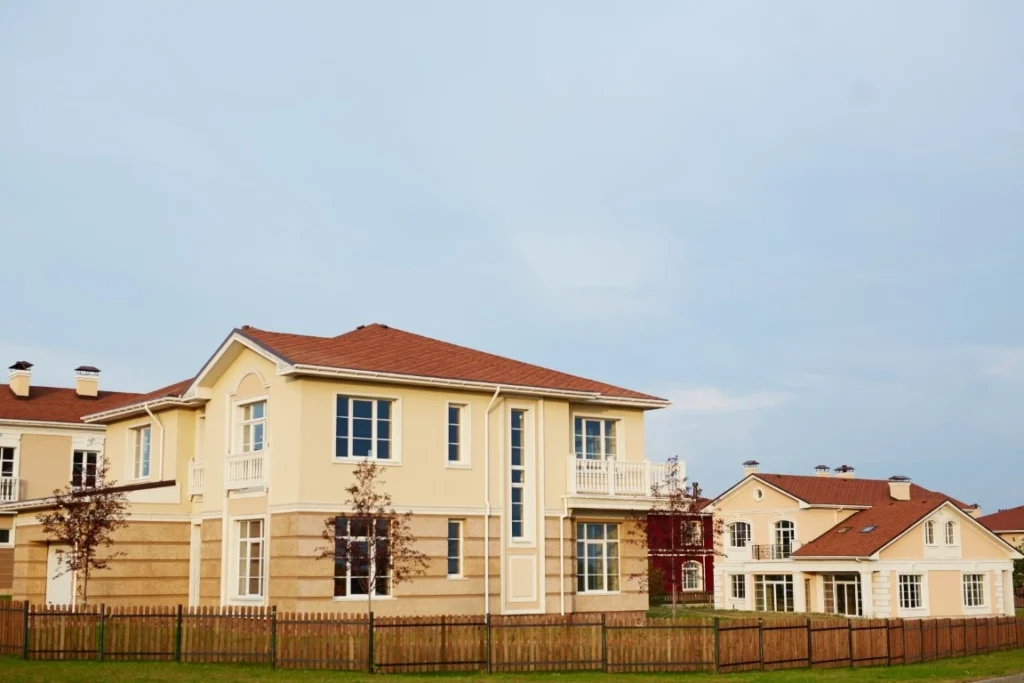
Home Addition Project Gallery
Explore real examples of how home additions can transform living spaces. From room expansions to full second-story builds, these projects help homeowners visualize what’s possible.
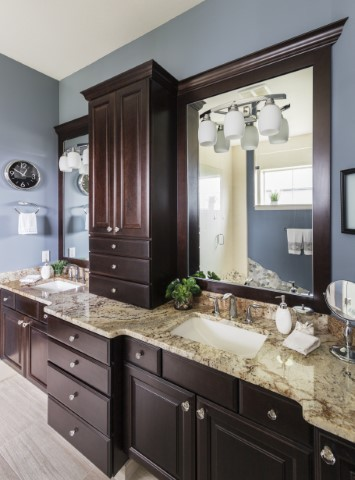
Room Additions
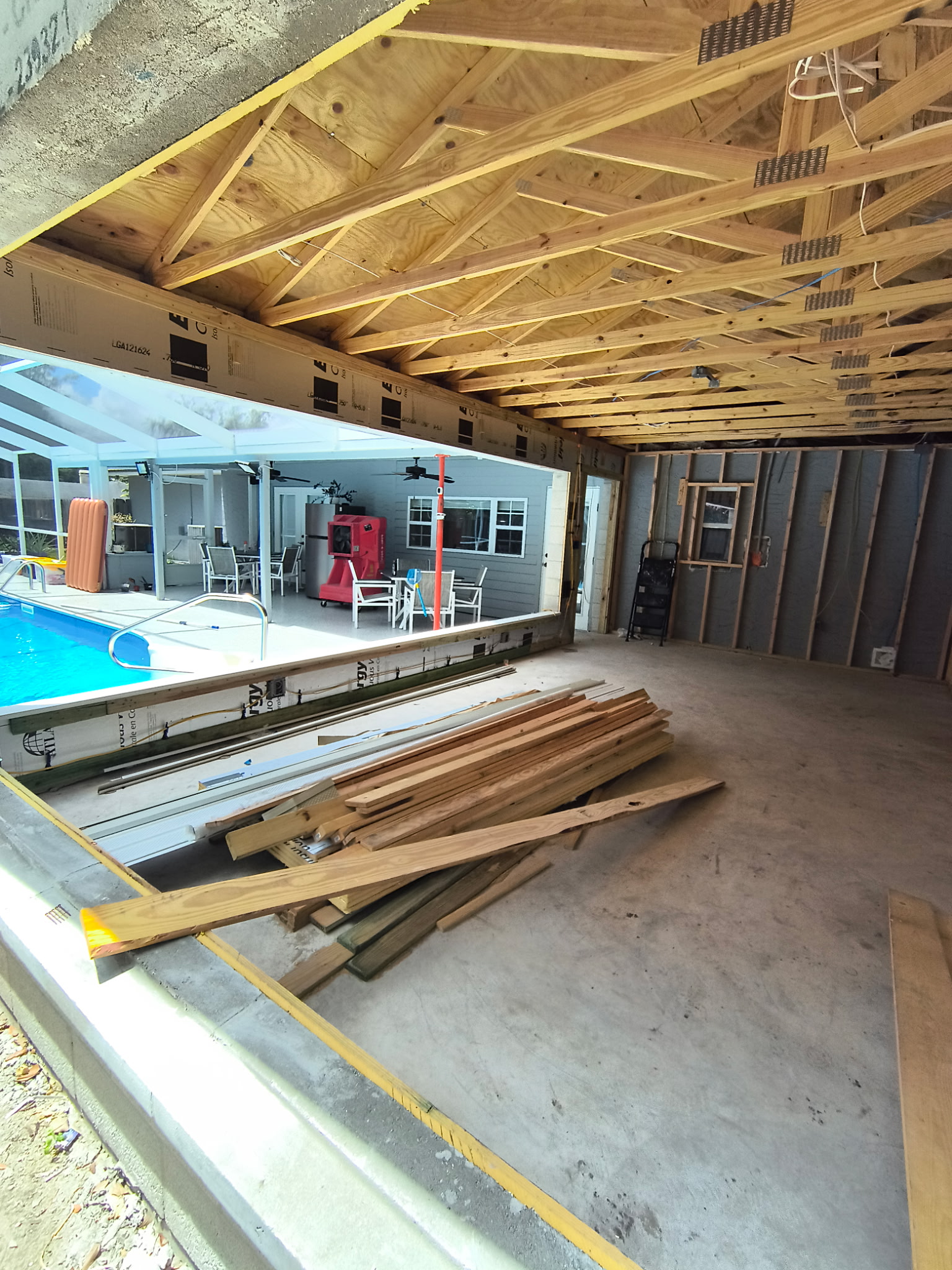
Expanded Living Spaces
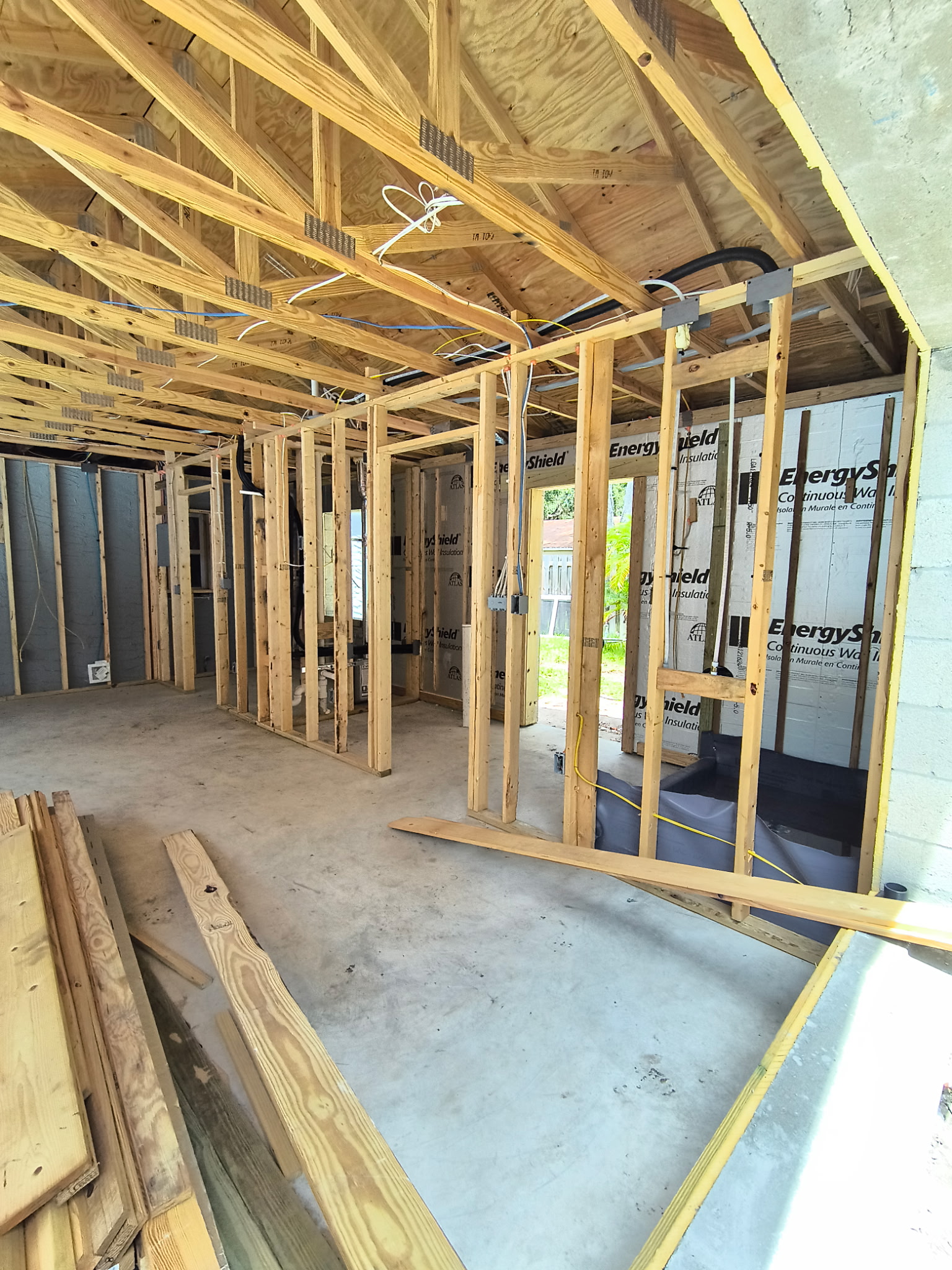
Second-Story Additions
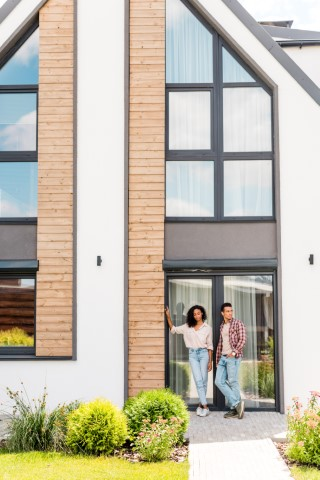
Guest Suite Additions
Key Takeaways About Home Additions
- Home additions expand the livable square footage of a house.
- Additions can include bedrooms, guest suites, or expanded living spaces.
- Projects involve consultation, design planning, permitting, and construction.
- Expanding a home allows families to gain space without moving.
Frequently Asked Questions About Home Additions
How do I know if my house can support a home addition?
A contractor can evaluate the existing structure, foundation, and property layout to determine whether the home can support an addition. Factors such as zoning regulations, lot size, and structural design all influence what type of addition is possible.
What is the first step to starting a home addition project?
Most projects begin with a consultation where homeowners discuss their goals, available space, and design ideas. From there, contractors can begin planning layouts and reviewing permitting requirements.
Is adding onto a house cheaper than buying a larger home?
In many cases homeowners choose to expand their current home rather than purchase a larger one. A home addition allows families to gain more living space while staying in the neighborhood they already enjoy.
How much does it cost to build a home addition in Florida?
The cost of a home addition depends on the size of the space, the complexity of construction, and the finishes selected. Structural work, utilities, and permitting requirements also influence the final project investment.
Do I need permits for a home addition in Polk County?
Yes. Structural additions usually require permits to ensure the project complies with local building codes and zoning requirements. Contractors typically manage this process and coordinate inspections.
How long does it take to build a home addition?
The timeline for a home addition varies depending on the size of the project, design planning, and permitting approvals. Construction generally includes framing, electrical and plumbing installation, and interior finishing stages.
Is it better to build up or build out when adding space to a house?
The decision to build up or build out depends on the home’s foundation, property layout, and zoning regulations. Some homes allow for second-story additions, while others are better suited for expanding outward.
What types of rooms can be added to a house?
Common additions include extra bedrooms, expanded living rooms, home offices, guest suites, and second-story expansions. The design typically depends on the homeowner’s needs and the structure of the existing home.
Will a home addition increase property value?
Adding livable square footage can make a home more functional and appealing to buyers. Many homeowners choose additions to improve both comfort and long-term property value.
Can homeowners live in the house during a home addition project?
In many cases homeowners remain in the house while the addition is being built, especially if the construction area is separate from the main living space.
Understanding Home Additions in Lakeland, Florida
A home addition increases the size of an existing house by building new square footage onto the structure. These projects are designed to integrate with the existing home so the expansion feels natural and cohesive.
In Lakeland and Polk County, homeowners often build additions to create more space for growing families, guest accommodations, or updated living areas. Projects typically move through planning, permitting, and construction phases before completion.
Many families choose additions as a way to improve their home’s functionality while increasing long-term property value.

What to Expect When You Contact Us
Starting a remodeling or addition project can feel like a big step. Our goal is to make the process clear and straightforward from the first conversation.
Step 1 – Initial Conversation
When you contact us, we start with a conversation about your goals for the project. This helps us understand what type of space you want to create and how the new addition or remodel will fit your home.
Step 2 – Project Consultation
Next, we schedule a consultation to review your property and discuss potential design options. During this stage we talk through layout ideas, possible construction approaches, and what to expect during the project.
Step 3 – Planning and Project Scope
Once the goals for the project are clear, we begin outlining the plan for the work. This includes reviewing the design direction, discussing timelines, and explaining the steps involved in moving the project forward.
Step 4 – Preparing for Construction
Before construction begins, we handle the necessary planning steps so the project moves forward smoothly. This includes preparing the work area, coordinating schedules, and ensuring the project is ready to begin.
Schedule a Home Addition Consultation
If you are considering expanding your home in Lakeland or Polk County, the first step is reviewing the property and discussing the possibilities.
A consultation helps determine:
- the type of addition that fits the property
- potential project timelines
- construction considerations
Contact our team to begin planning your home addition.